When I first stepped into leadership, I believed there was a correct way to lead. I watched senior leaders closely. I observed how they spoke, made decisions, and carried authority. I tried to model myself after them. Some of it worked. Much of it did not. My team noticed that the results suffered, and trust took time to build.
That period taught me an important lesson: leadership only works when it fits the person. Trying to sound stronger or more polished creates distance. What made the difference for me was becoming more authentic, aware, and intentional.
Over time, I stopped trying to perform and started to understand myself. That shift changed how I led and how my team responded.
In this article, I want to share how I developed my own leadership style. I will also explain what helped me build a leadership philosophy that actually works.
No two teams, companies, or situations are exactly the same. Early in my career, I learned that a leadership approach that works in one context can fail in another. What motivates one team may not motivate another. What works with one client or department may fall flat elsewhere.
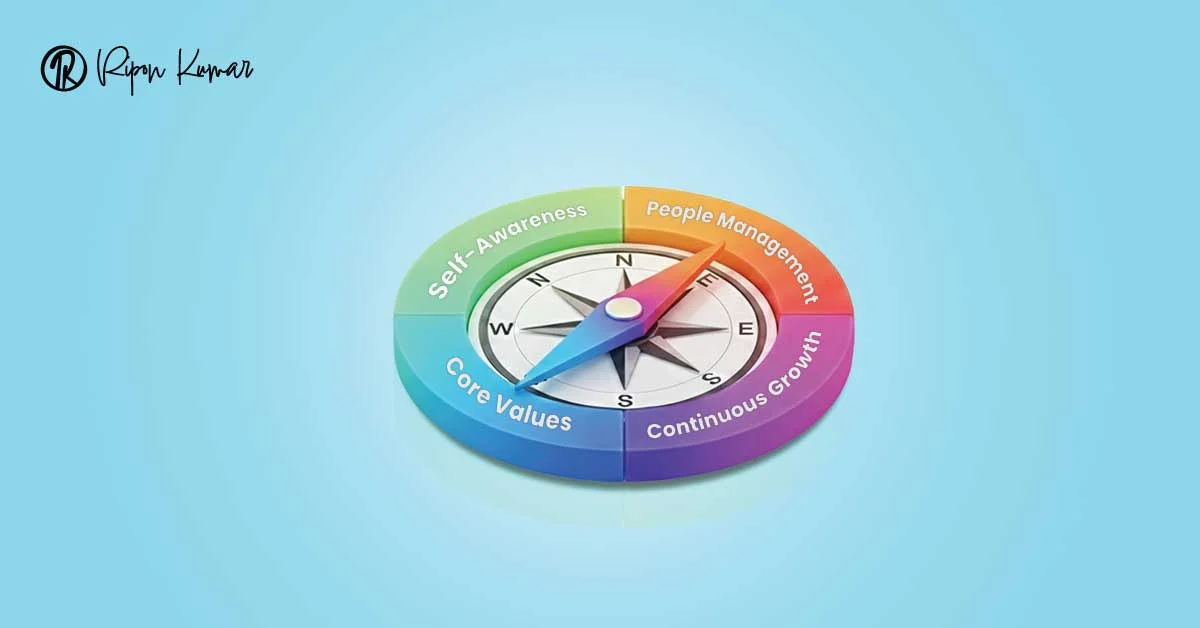
This is why defining your leadership philosophy is essential. Your philosophy acts as a compass. It helps you decide how to lead in different situations while staying true to your principles. It guides how you set expectations, make decisions, and communicate with your team.
This understanding shaped my people management skills. I learned to guide and support each team member based on their strengths, needs, and the situation. Adapting this way didn’t reduce my authenticity; it meant using my style effectively for the team.
Introspection isn’t optional. When I started leading larger teams, I realized I needed a clear understanding of myself. I had to know my strengths, my weaknesses, and how I reacted under pressure. Without that, I couldn’t lead effectively or develop my leadership style.
I used a few tools to help me. I gathered honest feedback from peers and team members. I reflected on my decisions and how they affected people. I also studied personality assessments to understand my natural tendencies and patterns. Over time, these practices gave me a clearer sense of how I acted, made decisions, and interacted as a leader.
Self-awareness is closely tied to emotional intelligence in leadership. When you understand yourself, you can manage your reactions. You can communicate more clearly and connect better with your team.
A simple exercise you can try:
Reflect on your strengths and how they help you at work. Identify your weaknesses and plan how to manage them each day.
Leadership grounded in values lasts. Early in my career, I realized that my decisions were clearer when I knew what I stood for. I wrote down my core values.
These were the principles that mattered most to me:
Having values in writing helped me make decisions more deliberately and with confidence. They shaped my priorities and the standards I expected from myself and my team. When a tough situation came up, I could refer back to them.
For example, I once faced a project where cutting corners could have saved time and money. My values made the choice clear. I insisted on quality and transparency, even though it was harder. In the long run, it earned trust from the team and clients.
Defining your values is more than words. They shape your leadership style, guiding how you act, communicate, and lead. Over time, these values form your leadership philosophy—your approach to leading that is consistent, clear, and reliable.
Leadership is about people. Over time, I learned that managing a team is more than giving orders or setting tasks. People management skills involve understanding your team. They also include supporting their growth and guiding them to achieve results.
I shifted from directing every step to enabling my team to perform independently. That meant focusing on:
For example, one of my teams struggled with a complex project. I coached, asked questions, and listened closely. This approach helped them deliver the project ahead of schedule. Team morale improved, and members grew more confident in taking ownership of their work.
Developing these skills also relies on emotional intelligence in leadership. Understanding how people feel and what motivates them helps you lead more effectively. Paying attention to how they respond also builds trust.
Learning to manage people is a continuous process. It is about applying your leadership style to bring out the best in each person. At the same time, you stay authentic to who you are.
Leadership evolves. No matter your experience, your style must adapt to change, feedback, and new challenges. The way you lead today may not work tomorrow.
I make continuous learning a habit. I focus on:
These practices help me refine my approach and stay aware of my strengths and weaknesses.
Setbacks are part of the process. When a project fails or a decision doesn’t go as planned, I review what happened. I take responsibility and identify lessons for the future. This helps me improve without repeating the same mistakes.
Developing your leadership style is a journey. By staying open to learning and adapting, you strengthen your personal leadership style. You also improve your ability to guide your team, make thoughtful decisions, and lead with confidence and clarity.
Your leadership style is your story. It grows from understanding yourself, defining your values, strengthening people management skills, and ongoing learning. Each step shapes how you lead and the impact you have on your team.
The most important lesson I’ve learned is that authenticity drives influence. People respond to leaders who are real, consistent, and intentional. Your leadership philosophy is not just a set of ideas; it’s how you act, decide, and guide others every day.
Take time to reflect on your strengths and values. Try the steps shared here, and adjust your approach as you learn. With consistent effort, you can develop a leadership style that is authentically yours





Entrepreneur | CEO of Ray Advertising & Policy Bear | Investor