
The first time I went abroad for business, I thought it would all be about deals and numbers. I quickly realized I was wrong. Even small things, such as how people greet each other and express themselves, made a big difference.
I remember sitting in a meeting in Tokyo. I spoke directly, as I always do. But it did not land well. It came across as rude, and I felt embarrassed and out of place. That moment opened my eyes.
After that, I started paying attention to culture everywhere I went. I listened more. I observed more. I asked questions. Meeting people from different backgrounds taught me new ways to think. It also changed how I lead my teams.
Cultural exchange benefits both personal growth and business success. Understanding others helps me make better decisions, communicate with clarity, and build stronger trust. This is why cultural exchange matters and why it has become my superpower.
Cultural exchange is more than travel. It is about listening, learning, and adapting. It means noticing how people think and act, and adjusting the way you connect with them.
For me, this became clear during a business trip to Germany. I was leading a meeting with local partners. I noticed they preferred detailed questions before agreeing on anything. At first, I felt frustrated. I wanted quick answers. But I realized I needed to change my approach. I slowed down. I asked questions differently. I listened more. The meeting went much better, and the deal moved forward.
This experience taught me the value of intercultural communication. Understanding how others see the world can help avoid misunderstandings and make business smoother. Cultural exchange is practical. It is a tool, not just an experience.
Cultural exchange has taught me a lot as a leader. It’s not just about visiting new places. It’s about learning to see the world in new ways. It changes how you think, how you make decisions, and how you lead your teams. The lessons I’ve learned have shaped my choices and teams in ways I never expected.
Stepping into other cultures changed how I resolve problems. In one project, I worked with a team in India. Their approach was completely different from mine. At first, I struggled to understand it. Over time, I began to appreciate their perspective.
It helped me think differently and discover solutions I might have missed on my own. These are the real cultural exchange benefits that I experienced.
Working with global teams taught me the importance of intercultural communication. I learned to:
I worked on a remote project with colleagues in three countries. Initially, we had many misunderstandings. When I changed how I communicated, things improved a lot. The team became more efficient, and the results were stronger.
Being aware of emotions and cultural context helps leaders guide their teams more effectively. Noticing small cultural cues can reduce tension and build trust.
This is part of cultural awareness in leadership, seeing beyond your own perspective and respecting how others think.
Different viewpoints make decisions stronger. Ideas from team members in other countries helped me avoid costly mistakes. Diverse input led to strategies that were better tested and more effective.
Cultural exchange is not just an experience. It improves thinking, teamwork, empathy, and decision-making. These gains have strengthened my leadership and helped my business grow.
Cultural awareness in leadership means understanding how people from different backgrounds think, work, and communicate. It’s not just a “nice to have.” It is a core skill that affects every decision a leader makes.
I learned this the hard way early in my career. Some key lessons include:
These experiences changed how I lead. I now:
Cultural exchange is more than learning customs. It allows leaders to hire the right people, negotiate with confidence, and resolve conflicts thoughtfully. Leaders who embrace it gain trust, loyalty, and stronger results across the board.
I have learned that diversity is a strength, not a complication. Different backgrounds bring different ways of thinking. They can see risks and opportunities I might miss.
Once, a project was running into trouble. One team member shared an insight based on their cultural experience. It saved the project. Without that perspective, we might have failed.
I have also had to unlearn my own biases. I realized that my first assumptions were not always right. Listening and adjusting made me a better leader and teammate.
These experiences demonstrate how cultural diversity makes me stronger. It improves problem-solving, teamwork, and decision-making. Teams that embrace diversity perform better, and leaders who learn from it grow personally.
Cultural exchange became my superpower because I turned it into a daily habit. These are the ways I use it to lead, learn, and make better decisions:
These habits are not just practices; they shape how I lead. They help me make stronger decisions, guide my teams effectively, and turn cultural awareness into a real advantage.
Cultural exchange has shaped the way I think, lead, and make decisions. It offered insights I could not gain anywhere else.
You can make it part of your life too. Talk to people from different backgrounds. Observe how they work and think. Ask questions. Listen carefully. Every small effort teaches you something new.
My guiding principle is simple: understand first, act second. Follow it, and cultural exchange can become your own superpower. It’ll help you grow as a leader and build stronger teams

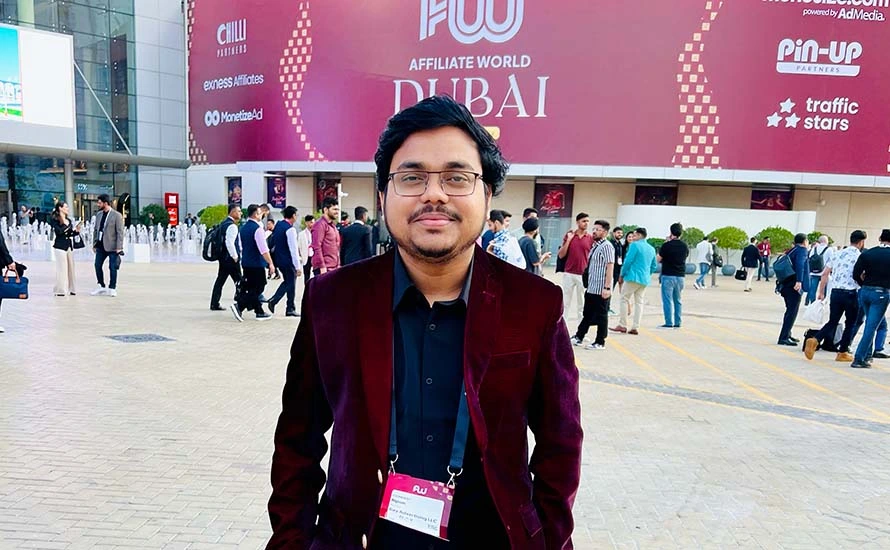
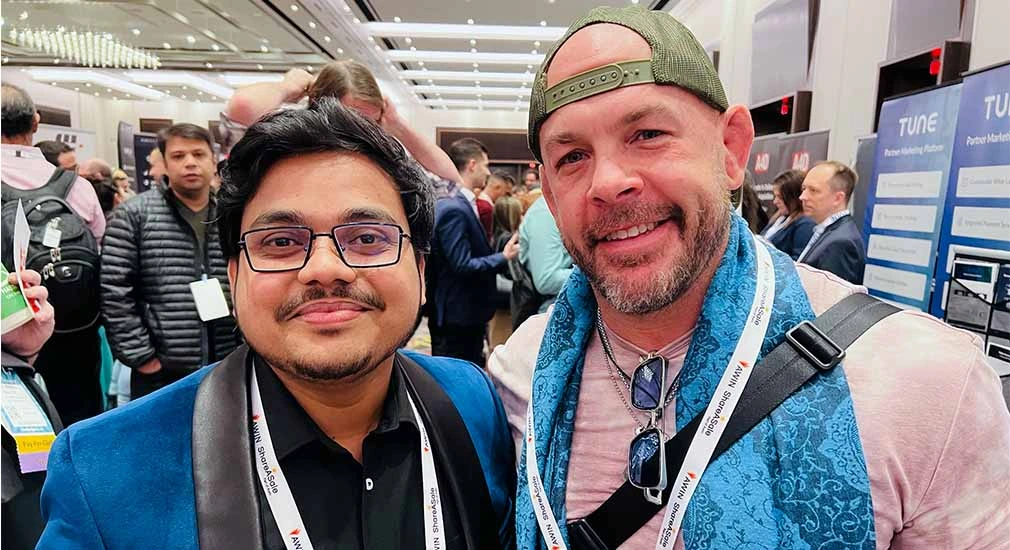


Entrepreneur | CEO of Ray Advertising & Policy Bear | Investor